Merge Cat Cafe : Coffee cat
- 4.7
- Rating
- 1.00M
- Installs
- Free
- Price

 Analysis by App-foxy
I found that the most useful way to judge Merge Meow Cafe: Coffee cat is to focus on its central activity: combining items to support a little cafe routine. That gives the game a clearer identity than a generic tile-matching diversion, and it shapes when I’d reach for it. Developed by ACTIONFIT, it blends merging with serving coffee and bread, using a cat-themed setting to keep the process light. I’d recommend it to someone who enjoys making small, visible bits of progress without needing a demanding challenge.
It’s free to start, rated for Everyone, and classed as a casual game. Version 5.3.1 requires Android 9 or later. Its average rating is 4.8 from around 37 thousand ratings, and it has passed 500 thousand installs. Those figures suggest it has attracted a substantial audience, though the more important question for me is whether its particular pace and board-based routine fit the way you like to play.
How the cafe loop feels to play
The central appeal is the steady rhythm of turning small tasks into a more attractive cafe. Merging gives the game a clear action, while serving coffee and bread gives that action a visible purpose. I like this combination because it avoids making the player manage a complicated restaurant simulation. You are not asked to master a long list of rules before the shop becomes enjoyable.
You May Also Like

 Blood Strike: 2.5 Anniversary
Blood Strike’s Loadouts Turn Every Drop Into a Tactical Gamble
A close look at Blood Strike’s custom loadouts: how fast access to signature weapons reshapes its battle royale rhythm, rewards preparation, and narrows the gap between fights.

 Pandora - Music & Podcasts
Pandora’s Music Is Easy to Start, but Harder to Recover
Pandora’s strength is its low-effort path from a seed to a station. Its weak spot is how much confidence it asks you to place in connection, setup, and quiet recovery.

 8 Ball Pool
 Is Built on Rivalries, Rematches, and Routine
A close look at the rivalries, rematches, shared routines, and unanswered safety questions that turn a quick pool match into a persistent mobile community.

 Samsung Music
’s Quiet Strength Is Playing What You Already Own
Its reach comes less from spectacle than from dependable access to a personal library. That simplicity is both the app’s strongest retention engine and its ceiling.

 AccuWeather: Weather Radar
AccuWeather Review: A Quick, Clear Forecast for Everyday Decisions
For everyday plans, the best forecast is the one you can understand quickly. AccuWeather makes rain timing, radar, and local conditions easy to act on, with a few trade-offs.

 Hill Climb Racing
Why Hill Climb Racing Still Turns Crashes Into One More Run
A tiny car, a bumpy hill and one more upgrade: Hill Climb Racing keeps resurfacing because its simple chaos makes every near-miss feel personal.
More From Our News Desk



The cat presentation also helps soften the usual pressure found in progression games. Even when I was thinking about the next useful merge, the cafe atmosphere kept the experience light. This is a good fit for short sessions when I want something cheerful to check rather than a game that demands complete concentration for half an hour.
One useful way to approach it is to treat the cafe as a small routine. I would open the game, look at what could be combined, decide which item would help the current serving cycle, and then leave once the immediate actions were finished. That approach prevents the merge board from feeling like an endless sorting chore. It also makes the game suitable for players who prefer visible, modest progress over high scores or fast reactions.
Readability and navigation
The game’s concept is readable almost immediately. A player who understands the familiar “combine matching pieces to create something better” pattern should not need much explanation to begin. The cafe setting gives the objects context, so the actions feel less abstract than moving colored tiles around without a purpose.
In my experience, the strongest navigation advantage comes from having a single clear theme. Coffee, bread, cats, and the cafe environment all point in the same direction. That consistency matters for younger players and for anyone who finds heavily decorated interfaces tiring. The screen has a purpose rather than presenting a collection of unrelated menus.
Still, visual charm can create its own problem. A cute cafe can contain many decorative details, and small objects may become harder to distinguish when the play area gets busy. I found it best to pause before making a merge instead of tapping quickly through the board. That extra moment is especially useful if you are playing on a smaller phone or in bright outdoor light.
I would also recommend learning the visual language during the first few sessions instead of trying to optimize immediately. Notice which items belong together, which spaces are useful to keep open, and which on-screen controls are essential to the current task. A tidy board is easier to read than a crowded one, and leaving room for future combinations is more helpful than merging every possible pair at once.
Motor and sensory considerations
This is not a reflex game in the usual sense. The main interactions are deliberate taps and merges, so it should suit players who prefer a slower pace and do not want rapid swiping or precise timing to determine success. That makes it more approachable than many action-oriented casual games, particularly when I am using one hand or playing while seated.
There are practical limits, however. Merge games still depend on selecting the correct object, and repeated tapping can become frustrating if the board is crowded or if the player has difficulty with small targets. I would not describe the game as automatically comfortable for every motor ability. Its relaxed design helps, but the phone’s screen size and the player’s precision still matter.
For sensory comfort, the soft cafe theme is less aggressive than a game built around explosions, combat, or constant alarms. That said, any game with repeated visual changes can become tiring during a long session. I found shorter visits more pleasant than trying to play continuously. Lowering the device volume, taking breaks, and avoiding play in a visually busy environment are sensible choices for anyone sensitive to stimulation.
One trade-off is that the game’s friendly presentation may encourage players to keep checking in. That is pleasant when the player wants a small distraction, but it can become less comfortable for someone who needs a completely quiet, uninterrupted activity. I see it as a good “between tasks” game, not necessarily as the best choice for winding down in a dark room or conserving attention during a demanding day.
Situational access in everyday use
I can picture playing it during a coffee break, while waiting for an appointment, or on a short journey when I have only a few minutes. The merge-and-serve structure makes it easy to return to a partially developed cafe without remembering a complicated story. That low memory burden is one of its practical strengths.
A realistic example would be a player taking a break between household tasks. They can open the cafe, make a few combinations, check the serving progress, and stop without feeling that they have abandoned a team or missed a crucial real-time event. For me, that is more comfortable than a competitive multiplayer game, where stepping away can immediately affect other people.
The same design may be less suitable when the phone is being used in a distracting place. On public transport or in a noisy waiting room, it can be harder to notice visual changes or concentrate on the board. Since the game relies on seeing what can be merged, I would avoid making important decisions while walking or doing another task. It is casual, but it still deserves enough attention to prevent careless taps.
It also works better for players who enjoy gradual decoration and collection than for people looking for a fixed ending. If your ideal mobile game is a quick puzzle with a clean result after every round, this cafe can feel more open-ended. A traditional match-three game may be better when you want a clearly defined level, a score, and an immediate restart.
Practical strategies for a less frustrating experience
My first tip is to resist filling every available space. In a merge game, an apparently useful item can become an obstacle if it blocks the pieces needed for a more valuable combination. Keeping a small amount of breathing room makes the board easier to inspect and reduces accidental taps.
My second tip is to decide what you are trying to improve before spending your attention on every possible merge. If the cafe needs a serving-related action, prioritize the chain that supports it instead of automatically combining the most obvious pair. This turns the board from a collection of tempting taps into a set of choices.
A third useful habit is to play with a consistent screen orientation and grip. Switching hands or changing how the phone is held can make small targets feel less predictable. I found that placing the phone securely and using one deliberate finger reduced mistakes compared with hurried tapping.
Finally, treat optional spending as a convenience rather than a requirement. The game is free, but its in-app purchases range from $0.49 to $94.99 per item. That wide range is important for families and for anyone who prefers strict control over mobile spending. I would use device purchase protections and decide on a personal limit before playing, especially because progression games can make an immediate shortcut feel tempting.
What the merge focus means day to day
The board is not just a place to pass time; it is the part of the game that asks you to make the most deliberate choices. I’d approach it by scanning before tapping: first identify the pieces that appear useful, then check whether combining them will leave enough room for the next move. That brief pause is a practical habit, not a complicated strategy, and it can make a short visit feel purposeful instead of cluttered.
For example, if I had a few minutes before making dinner, I’d open the cafe while seated, make only the combinations that support the immediate serving task, and stop when I was ready to return to the kitchen. I wouldn’t try to play while carrying groceries or walking between rooms. The relaxed pace helps, but attention still matters when the objects are small and the board is busy.
Trade-offs against other casual games
Compared with a conventional match-three game, this is a better fit when you want an ongoing cafe setting and gradual progress rather than a neat sequence of self-contained levels. The trade-off is that players who enjoy a clear win screen and a quick restart may find the merge routine less satisfying. Likewise, someone seeking a deep restaurant-management game may want more planning and operational detail than this light setup is meant to provide.
The distinction is useful when deciding whether to install it: choose this one for a low-pressure, object-combining activity with a cozy theme, not for competitive play or a fast arcade challenge. If you prefer scores, timed rounds, or a more demanding simulation, another casual game will probably serve you better. I see the cafe’s narrow focus as a strength only when that particular rhythm sounds appealing.
Remaining barriers and who may want another game
The biggest barrier is not the cafe theme; it is the possibility of visual clutter and repetition. Players with reduced vision, hand tremors, or difficulty distinguishing similar objects may find the merge board demanding even though the pace is gentle. I would try it cautiously on the actual device being used, because comfort can vary significantly between a compact phone and a larger screen.
Another barrier is the lack of a strong fit for players who need direct, high-energy feedback. Someone who enjoys fast rounds, competitive rankings, or precise action may find the cafe loop too quiet. In that case, an arcade game or a conventional puzzle with timed stages would provide clearer intensity and more immediate goals.
Parents should also remember that an Everyone age rating describes the broad content suitability, not the absence of every practical concern. The in-app purchase range means a child should not be left to make purchases without appropriate device controls. The game’s relaxed tone makes it family-friendly in spirit, but spending boundaries still belong in the setup.
I would also skip it if I dislike games that ask me to return to the same setting repeatedly. The cafe grows through small decisions, and that is rewarding only if gradual improvement appeals to you. Players wanting a story-heavy adventure, a deep management simulation, or a one-time puzzle collection will probably get more satisfaction elsewhere.
My inclusive verdict
Merge Meow Cafe: Coffee cat is at its best when I want a friendly, low-pressure game that can be played in short visits. Its coffee-and-bread cafe theme gives the merge mechanic a clear identity, while the cat setting keeps the mood approachable. The slow decision-making is more accessible than a reaction-based game, and the straightforward loop makes it easy to explain to a new player.
Its inclusiveness has limits. The game still depends on visual recognition, accurate tapping, and tolerance for repeated progression. It does not become accessible to every player simply because it is cute or casual. Screen size, lighting, grip, attention, and spending controls all affect the experience, so I would judge it on the device and in the situation where it will actually be played.
For me, the best audience is someone who enjoys arranging objects, making small improvements, and checking in on a cheerful cafe without pressure from other players. It is especially convincing as a break-time game for people who prefer calm progress to competition. If that sounds like you, the free entry point makes it easy to try, with the sensible reminder that optional purchases should be managed deliberately.
My final recommendation is positive but specific: choose it for a cozy merge routine, not for demanding strategy or fast action. ACTIONFIT has built a pleasant casual experience around a simple cafe idea, and the strongest reason to play is how naturally it fits into small pockets of free time. The most comfortable experience comes from playing slowly, keeping the board organized, and setting purchase limits before the cafe becomes part of your daily routine.
FAQs for Merge Cat Cafe : Coffee cat
01What is Merge Meow Cafe: Coffee Cat about?
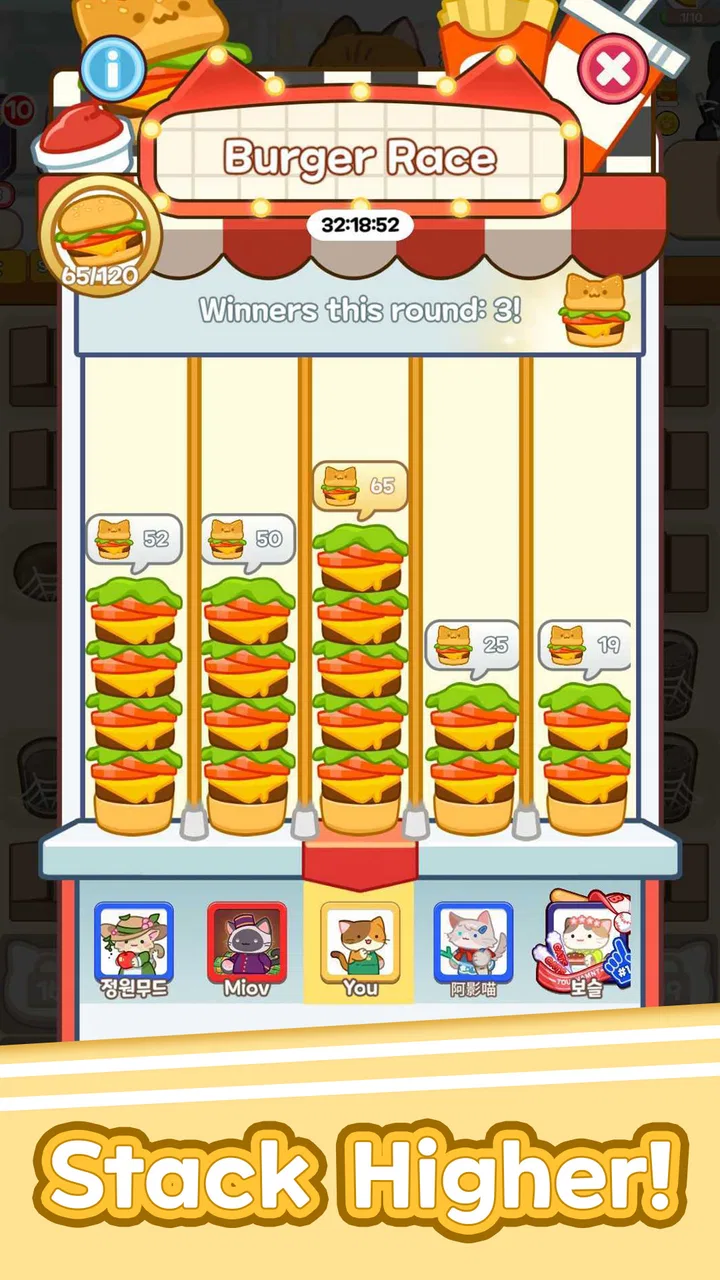
Merge Meow Cafe: Coffee Cat is a delightful puzzle game where players manage a cafe run by adorable cats. The main objective is to merge various items to upgrade your cafe, attract more feline customers, and unlock new recipes. It's a perfect blend of strategy and cuteness, offering hours of engaging gameplay.
02Is Merge Meow Cafe: Coffee Cat free to play?
Yes, Merge Meow Cafe: Coffee Cat is free to download and play. However, it offers in-app purchases that can enhance the gaming experience. These purchases might include special items, currency packs, or unique cat characters, so players should be mindful of spending if they wish to progress faster.
03What are the main features of Merge Meow Cafe: Coffee Cat?
The game features an intuitive merging mechanic, a variety of adorable cat characters, and numerous cafe customization options. Players can explore different levels, unlock new recipes, and participate in special events. The vibrant graphics and charming sound effects add depth to the immersive gameplay experience.
04Does Merge Meow Cafe: Coffee Cat require an internet connection?
While Merge Meow Cafe: Coffee Cat can be played offline, certain features like special events, leaderboards, and cloud saves may require an internet connection. Playing online ensures you can access the full range of features and stay updated with the latest content.
05Are there ads in Merge Meow Cafe: Coffee Cat?
Yes, the game includes ads, which help keep it free. Players may encounter ads between levels or when claiming certain rewards. However, there is usually an option to remove ads through a one-time purchase, providing an uninterrupted gameplay experience for those who prefer it.
Pros
- Charming cat characters enhance gameplay.
- Easy-to-learn mechanics for all ages.
- Offline mode available for on-the-go play.
- Regular updates with new content.
- Visually appealing graphics and design.
Cons
- Gameplay can feel repetitive over time.
- In-app purchases can be pricey.
- Limited customization options for cats.
- Occasional ads may disrupt gameplay.
- Energy system limits playtime.

Merge Cat Cafe : Coffee cat
Gallery